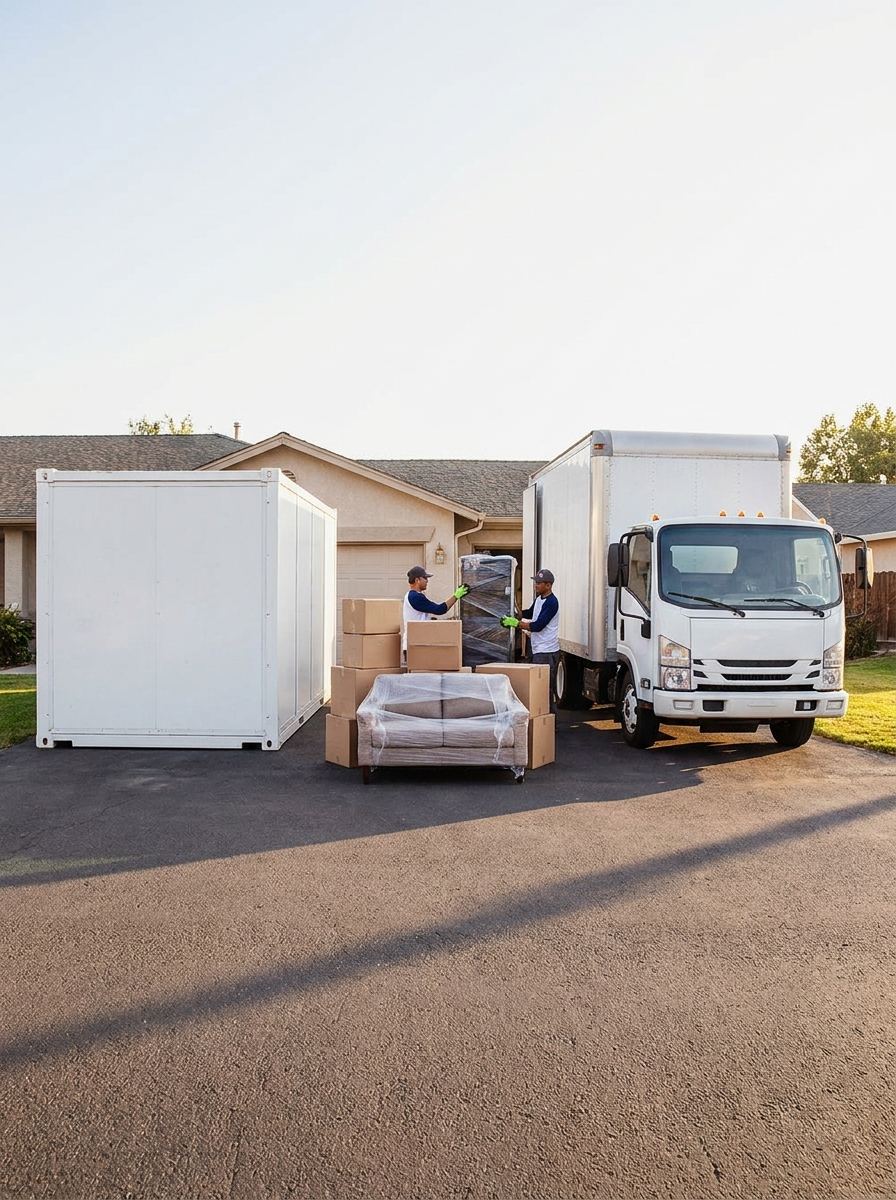
Cross-country moving is not just a longer local move. Distance adds more time, paperwork, packing pressure, and risk. A box that survives a short ride across town may not hold up through multiple handling points and hundreds or thousands of miles. The best way to reduce stress is to plan early, move only what makes sense, and choose the right method for your home, budget, and schedule.
Use this guide to organize the move from the first inventory list to the first week in your new place.
What Counts as a Cross-Country Move?
A cross-country move is usually an interstate or coast-to-coast relocation, or any long-distance move that requires more coordination than a local move. You may be moving from California to New York, Florida to Washington, or one inland state to another. The exact mileage matters less than the planning challenge: longer transit time, more logistics, higher costs, and greater risk of damage if items are not packed well.
This page is a general planning guide for full or mixed household relocations. That may mean a whole apartment, a family home, or a combination of furniture, boxes, clothing, kitchenware, electronics, and personal items.
If you are moving only a few pieces, selected furniture, boxes, dorm or studio contents, storage-unit items, inherited pieces, antiques, or art, follow the dedicated guide for moving a small load cross-country instead. The planning basics overlap, but the cost structures and best options can differ.
Here, we will focus on the core steps: timing, inventory, packing, mover selection, moving-day organization, and settling in after delivery.
Start With a Cross-Country Moving Timeline
A timeline keeps a long-distance move from turning into a pile of last-minute decisions. Start with a target move window, then work backward.
8–12 weeks before the move: Choose your preferred move dates. Review lease end dates, home sale deadlines, job start dates, school schedules, and family commitments. Think about the weather too. A route through winter storms, hurricane-prone areas, or wildfire regions may require extra flexibility. Start researching moving methods, creating an inventory, and collecting estimates.
6–8 weeks before: Book your mover or transportation method. Confirm building rules at both addresses, including elevator reservations, loading dock access, parking permits, and certificates of insurance if required. Begin serious decluttering. Gather boxes, packing tape, cushioning, labels, and specialty supplies.
4 weeks before: Pack items you do not use daily, such as books, off-season clothing, décor, guest-room items, and extra kitchenware. Schedule utilities and internet at the new address. Arrange mail forwarding. Transfer school, medical, and pet records. Plan your personal travel, including hotels, flights, route stops, and pet arrangements.
2 weeks before: Confirm pickup details and contact information. Finish most of the packing. Photograph valuable furniture, electronics, artwork, and fragile items. Prepare important documents, such as IDs, passports, mover paperwork, lease or closing documents, insurance information, and vehicle records.
Moving week: Pack your essentials bag. Clear walkways. Separate anything that should not go on the truck. Review the inventory with the moving team, supervise loading, and keep critical items with you.
Build an Inventory and Decide What Is Worth Moving
Before you compare movers, know what you are moving. A room-by-room inventory helps you estimate costs, buy the right supplies, and avoid arguments about what was or wasn’t included.
Walk through each room and list major furniture, box counts, electronics, artwork, mirrors, lamps, rugs, tools, outdoor items, and fragile or high-value belongings. Add dimensions for large pieces, especially sofas, tables, armoires, mattresses, desks, and any unusually shaped items. Photograph furniture and valuables before packing or pickup.
Then sort everything into four categories:
Keep: Items you use, need, love, or cannot easily replace.
Sell: Furniture, décor, exercise equipment, or electronics with resale value that do not fit your new home.
Donate: Useful items that are not worth selling, such as extra linens, books, lamps, small appliances, or duplicate kitchenware.
Discard or recycle: Broken, worn, expired, or low-value items that are not worth packing.
Fewer items can reduce labor, truck space, packing supplies, and stress. If you need a more structured plan, read about downsizing before a move before you request estimates.
Use a simple “move or replace?” test for bulky low-value furniture. What would it cost to replace at the destination? Is the item in good condition? Does it fit the new home? Is it hard to replace? Does it have sentimental value?
That last question matters. Inherited and sentimental pieces may deserve better treatment than ordinary household goods, even when their market value is modest. A family rocking chair, framed photo collection, or handmade table may be worth moving carefully because it cannot be replaced online.
Compare Cross-Country Moving Options Before You Book
There is no single best way to move across the country. The right option depends on your load size, item fragility, budget, schedule, access at both homes, and how much work you can safely do yourself.
Full-service interstate movers are often the best fit for whole-home relocations. They may offer packing, loading, transportation, delivery, furniture placement, and unpacking support. The tradeoff is cost. You are paying for labor, equipment, coordination, and service.
DIY truck rentals give you more control and may save money, especially if you have help. But the rental fee is only one part of the cost. Add fuel, insurance, tolls, hotels, meals, moving equipment, time off work, and the physical work of loading and unloading.
Portable containers can work well when you need time to load and unload. They are less convenient if you live in an apartment, have limited parking, face strict building rules, or cannot load heavy furniture safely. You are also responsible for packing the container to prevent items from shifting in transit.
Shipping or specialty moving support can make sense for select furniture, fragile items, artwork, antiques, or items that require more protection than standard parcel shipping provides. If you are not sure which provider fits the job, compare common types of furniture shipping companies before you decide.
Choose based on the whole situation, not on a single advertised price. A cheaper method may be fine for sturdy boxes and replaceable goods. It may be the wrong choice for delicate furniture, expensive electronics, family heirlooms, or a move with difficult pickup or delivery access.
How to Choose a Reliable Cross-Country Moving Company
The company you hire matters more in a long-distance move than in a short local job. Your belongings will be out of sight for longer, and the move may involve more handling, scheduling, and paperwork.
Look for interstate moving experience, transparent estimates, clear pickup and delivery windows, written inventory practices, valuation or coverage options, and strong recent reviews. Read reviews for patterns, not just star ratings. Repeated comments about poor communication, missed windows, damage, or surprise charges deserve attention.
Ask direct questions before you book:
- Is the estimate binding, nonbinding, or based on final weight or volume?
- What services are included?
- Are packing, stairs, elevators, long carries, shuttle service, storage, special handling, or delivery placement extra?
- What can change the final price?
- What are the pickup and delivery windows?
- Who handles pickup and delivery?
- How is the inventory documented?
- What valuation or coverage options are available?
- How do damage claims work?
Get the answers in writing. A reliable mover should be able to explain what is included, what is excluded, and what assumptions the estimate depends on.
Watch for red flags: vague quotes, unusually low estimates, large cash deposits, no written paperwork, poor communication, pressure to book immediately, or unclear claims procedures. Do not compare the headline price alone. Compare service levels, especially when you are moving fragile, high-value, or sentimental items.
Packing Essentials for a Long-Distance Move
Packing for a long-distance move takes more care than packing for a short drive. Use sturdy boxes, quality tape, packing paper, bubble wrap, furniture blankets, stretch wrap, corner protection, mattress bags, and specialty cartons when needed. Weak grocery boxes, old tape, and loosely packed cartons create avoidable risk.
Pack heavy items, such as books, tools, and dishes, in small boxes. Use medium and large boxes for lighter items like linens, pillows, and clothing. Do not overload cartons. Fill the empty space so items cannot shift. Tape seams securely. Label boxes on multiple sides with the destination room, a short contents note, and a box number that matches your master inventory.
Create a first-night or first-week essentials kit that travels with you, not in the truck. Include medications, chargers, toiletries, IDs, mover paperwork, a few changes of clothes, pet supplies, snacks, basic tools, school items, work equipment, and anything you would need if delivery takes longer than expected.
Treat fragile and valuable items separately. Photograph the condition before packing. Use extra protection for mirrors, framed art, lamps, dishes, electronics, antiques, and delicate furniture. Keep irreplaceable documents, jewelry, passports, financial records, and small valuables with you. For art, antiques, mirrors, glass, or delicate furniture, professional packing, crating, or white-glove moving service may be worth the added protection.
Moving Day: What to Do Before the Truck Leaves
Moving day should be organized, not improvised. Before the crew arrives, clear walkways inside and outside the home. Protect floors if needed. Reserve elevators, loading docks, or curb space. Keep pets and children away from the loading area so movers can work safely.
Walk the movers through the home before loading begins. Point out fragile items, high-value pieces, disassembly instructions, tight corners, and anything that needs special handling. Show them which items are not going on the truck, such as luggage, laptops, medications, documents, jewelry, or cleaning supplies you still need.
Take photos of furniture, electronics, artwork, and valuable items before they are loaded. Capture any existing scratches or wear to create a clear condition record.
Review the inventory or bill of lading carefully. Make sure your name, destination address, phone number, delivery contact, and service notes are correct. Keep copies of all paperwork, including estimates, inventories, receipts, and valuation documents.
Do not load your essentials bag. Keep IDs, medications, laptops, chargers, passports, payment methods, moving documents, and valuables with you. If you are driving, keep the bag in the car where it is easy to reach.
After Delivery: Unpack, Inspect, and Settle In
When the shipment arrives, inspect items before signing paperwork when possible. Note visible damage, missing items, or delivery exceptions on the paperwork. Take photos right away. Compare delivered boxes and furniture against your inventory, especially numbered boxes and high-value items.
Unpack by priority. Start with the bedroom, bathroom, and kitchen so the home becomes functional quickly. Then handle work or school essentials, pet supplies, and daily-use clothing. Leave décor, seasonal items, and low-priority boxes for later.
Next, handle the administrative updates that make the move official. Update your driver’s license, vehicle registration, voter registration, employer records, insurance, medical providers, banks, credit cards, subscriptions, and school records. Confirm that mail forwarding is working and that utilities and internet are active.
Learn the new neighborhood in practical layers. Find grocery stores, pharmacies, urgent care, gas stations, emergency services, hardware stores, and local utility contacts. Then explore the restaurants, parks, coffee shops, and places that make the area feel like home.
A successful cross-country move comes down to early planning, honest inventory decisions, strong packing, and clear communication. If your relocation includes furniture, fragile belongings, artwork, antiques, or items that require careful packing and specialized handling, Ship Smart can help you plan a safer way to move them across the country.






 28 SEPTEMBER 2026