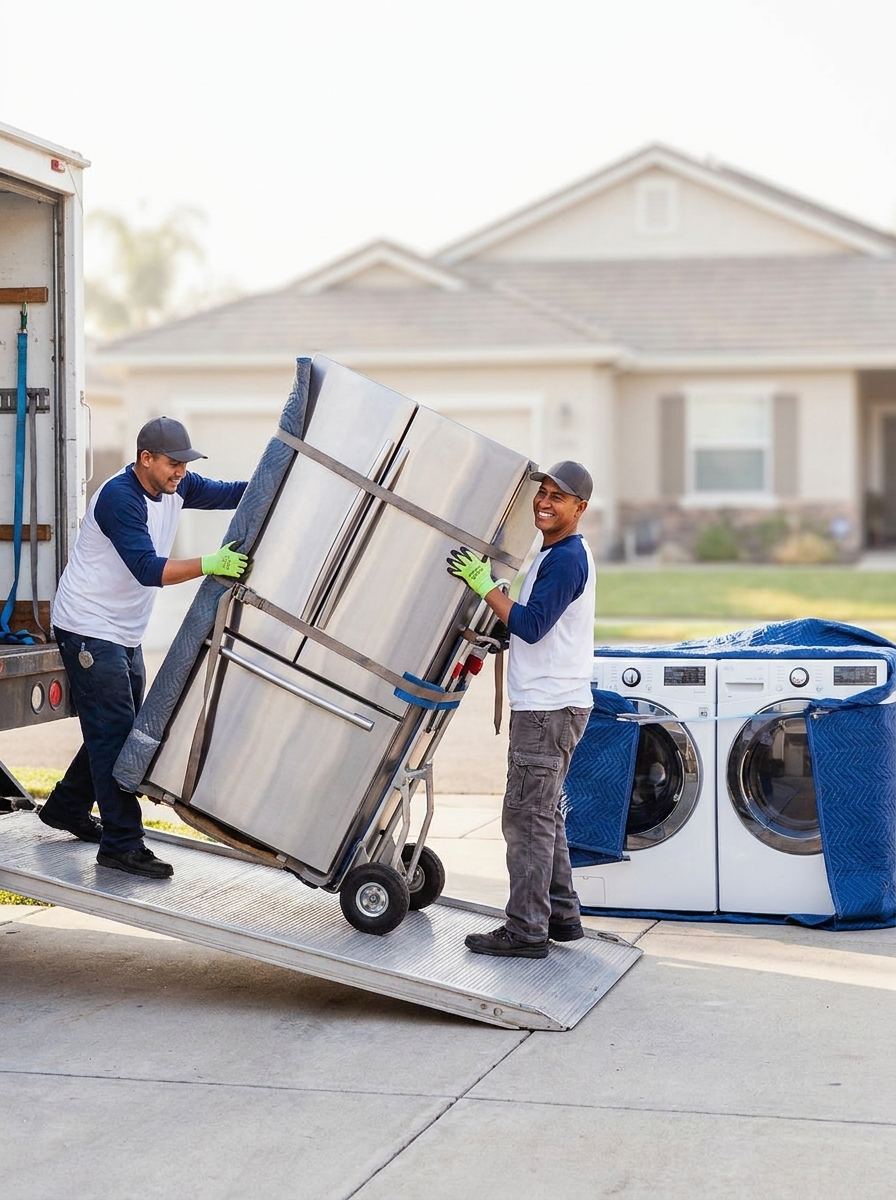
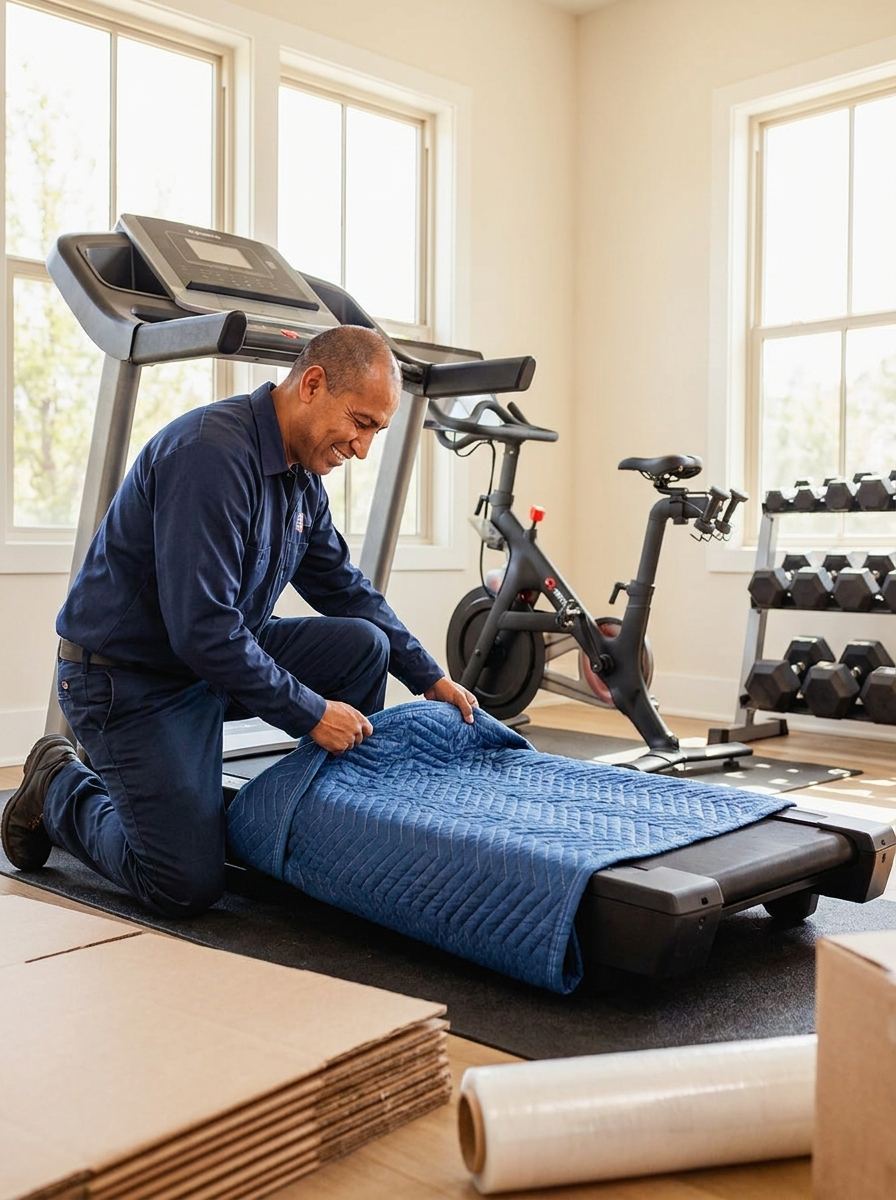
If you are wondering whether to use a college mover, the short answer is this: use one when distance, bulky belongings, limited family help, or campus rules make a DIY move stressful or impractical. A college move is exciting, but it is also full of small decisions. What fits in the car? What can fly with the student? Where can a truck park? What happens if move-in is limited to a two-hour window?
This guide will help students and parents decide what to pack, what to ship, what to leave behind, and when a small-load college mover is the better plan.
When It Makes Sense to Use a College Mover
A college mover makes the most sense when the move is not simple. If the school is across the state, across the country, or overseas, packing the family car may not be realistic. The same is true when the student is flying, when parents cannot take time off, or when the belongings include a bike, monitor, mini-fridge, desk chair, musical instrument, or small furniture.
Professional college movers are especially useful for out-of-state students, international students, families without a large vehicle, students moving from a dorm to an off-campus apartment, and students who need to ship belongings home between terms. The goal is not to make the move fancy. It is to reduce stress, protect the items that matter, and let the student focus on settling in.
DIY may be enough if the school is local, everything fits in one car, parking is easy, and the move-in window is flexible. If there is no furniture, no fragile equipment, and no long drive, a simple family move can work well.
The decision comes down to friction. If the move requires renting a truck, booking hotels, carrying boxes up stairs, coordinating campus parking, and driving hundreds of miles, a mover may save more than time. It may save the first week of school from starting in chaos.
College Moving Is Usually a Small-Load Shipping Problem
Most college moves are not full-household relocations. Students are usually moving a small load: boxes, bedding, clothes, electronics, books, lamps, rugs, a bike, dorm supplies, and maybe a few pieces of furniture. That is why a traditional full-service household mover or a full truck rental can feel like too much.
For long-distance student moves, small move services can be a better fit. Instead of paying for a large truck you do not need, you can focus on the items that are hard to carry, hard to fly with, or too important to toss into a trunk. This is the difference between moving a household and shipping a practical student load.
Common college moving situations include:
- Home to dorm for freshman move-in
- Dorm to home at the end of spring term
- Dorm to dorm after a transfer
- Dorm to off-campus apartment
- Parent’s home to a first apartment after graduation
- Campus apartment to another city for an internship or job
Summer storage is another decision point. Storage can work well when the student is returning to the same campus and has reliable access to the unit. But if storage is expensive, unavailable, far from campus, or inconvenient during move-in, shipping selected items home or to the next address may be simpler.
Think of the move as a shipping plan, not a household relocation. That mindset helps you avoid overpacking and choose the right level of service.
What to Pack for College—and What to Leave Behind
Start with what the student will use every week. Then decide what should travel with the student, what should be shipped, what can be bought near campus, and what should stay home.
Useful packing categories include:
- Bed and bath: Sheets, comforter, pillows, mattress pad, towels, shower shoes, laundry bag, and under-bed storage.
- Clothing: Everyday clothes, shoes, jackets, workout gear, sleepwear, hangers, and closet organizers.
- Toiletries and medicine: Toothbrush, hair care, skin care, glasses or contacts, prescriptions, basic first aid, and over-the-counter medicine.
- School supplies: Backpack, notebooks, pens, books, folders, calculator, planner, and desk supplies.
- Electronics: Laptop, tablet, chargers, headphones, monitor, gaming system, TV, power strips, and cables.
- Kitchen basics: Mug, bowl, plate, utensils, water bottle, food storage, microwave-safe containers, and a small coffee maker if allowed.
- Decor: Photos, posters, small lamps, rug, mirror, whiteboard, and a few personal items.
- Storage items: Bins, drawer organizers, shoe racks, collapsible crates, and vacuum bags.
A simple rule helps: carry what you need immediately, ship what you cannot carry easily, buy low-cost basics near campus if shipping costs more than replacing them, and leave sentimental or duplicate items at home.
Coordinate with roommates before anyone ships large items. Dorm rooms are small, and duplicates create problems fast. You probably do not need two mini-fridges, two microwaves, two rugs, two printers, two gaming chairs, or three sets of cleaning supplies.
Use seasonal boxes. Send fall essentials first. If winter clothes, ski gear, extra blankets, or sports equipment are not needed until later, ship them after Thanksgiving or during a break. This keeps the first move lighter and the room less crowded.
Dorms and apartments also require different packing plans. Dorms usually provide a bed, desk, and dresser, and they often have strict space limits. Off-campus apartments may require more: a desk, chair, bed frame, kitchen supplies, small sofa, lamps, and cleaning equipment. Do not assume the item list is the same for both.
Campus Move-In Logistics That Can Make or Break Your Plan
College move-in is not like moving into a normal apartment building. Many schools assign time slots. Some require security check-ins, parking passes, or unloading permits. Loading zones get crowded. Elevators back up. Older dorms may have stairs, narrow hallways, or limited access for carts.
Before booking any move, check the school’s rules. Ask where delivery vehicles can park, whether items can be delivered directly to the dorm, and whether the school accepts delivery at a curb, dock, mailroom, package center, or apartment entrance. If the student is moving into off-campus housing, ask the landlord or building manager about elevator reservations, loading areas, and delivery hours.
Timing matters. If belongings arrive before the student can receive them, the school may not hold them. If the student arrives before the shipment, they still need to sleep, shower, study, and get through orientation. Move-in congestion can also cause delays, even when the plan is solid.
Pack a personal travel bag that stays with the student. It should include IDs, school documents, medications, laptop, chargers, toiletries, bedding for the first night, a towel, a few days of clothes, and any required check-in paperwork. If moving into an apartment and shipping a bed or mattress, consider whether the student needs an air mattress for the first night.
This bag is the safety net. Even if boxes arrive later than expected, the student can function.
How Much Does It Cost to Use a College Mover?
The cost to use a college mover varies widely. Distance matters, but it is not the only factor. Pricing can also depend on weight or volume, the item list, pickup access, delivery access, packing, crating, insurance options, timing, and the level of service.
Local moving labor is usually priced differently from long-distance shipping. A local mover may charge by the hour, plus truck, travel, fuel, or stair fees. A small-load shipping service is often based more on what is being shipped, how far it is going, how it needs to be packed, and where it is delivered.
Compare that with DIY costs. A truck rental may look cheap at first, but the final cost can include fuel, mileage, tolls, insurance, parking, packing supplies, hotels, meals, and parent travel time. Storage adds another layer, especially if the student needs transportation to and from the unit.
The best way to price a long-distance student move is to get a custom estimate based on the actual item list. Generic dorm-move averages are rarely useful because one student may ship six boxes, while another may ship a bike, monitor, mini-fridge, desk chair, and small sofa.
To reduce cost, reduce the shipment. Leave low-cost items behind if they can be bought near campus. Choose curbside or dock delivery when it is practical and allowed. Ship seasonal items later. Avoid sending “maybe” items until the student knows the room layout and storage space.
What Can a College Mover Ship?
A college mover can usually handle the belongings that are too bulky, fragile, or inconvenient for a car or flight. Common student items include:
- Boxes of clothing, bedding, books, school supplies, and dorm basics
- Electronics such as monitors, TVs, gaming systems, speakers, and printers
- Lamps, rugs, mirrors, framed art, and decor
- Bicycles, skateboards, sports gear, and musical instruments
- Mini-fridges, microwaves, desks, chairs, and small furniture, including help with shipping large items that will not fit in a car
Some items need extra protection. Electronics, instruments, framed artwork, fragile keepsakes, glass, and furniture with delicate finishes should be packed carefully. If an item would be hard to replace, do not treat it like an ordinary box.
Measure before you ship larger pieces. Dorm photos can be misleading, and room layouts vary. A chair that looked perfect at home may block the closet. A microwave may not fit the only available shelf. Separate large items into two groups: must-haves and maybe-later items. Ship the must-haves first and wait on the rest until the student sees the space.
Also verify housing rules before sending appliances. Many schools restrict mini-fridges, microwaves, hot plates, coffee makers, air fryers, space heaters, candles, and extension cords. A mover can ship the item, but the school may not allow it in the room.
DIY Car, Truck Rental, Storage, or College Mover: Which Option Fits?
There is no single best way to move to college. The right option depends on distance, budget, schedule, belongings, and how much physical work the family wants to handle.
Car move: This is often the lowest-cost choice if everything fits. It works well for local or regional moves with no furniture and easy parking. The downside is space. It is also hard for students who are flying or moving cross-country.
Rented van or truck: A rental gives you more room, but it adds responsibility. Someone has to drive, pay for fuel, handle insurance, load and unload, find parking, and return the vehicle. On a crowded campus, that can be stressful.
Local moving labor: Labor help can be useful for loading or unloading near campus. It is less helpful when the main challenge is getting belongings across the country.
Storage unit: Storage works when the student is returning to the same campus and has a way to move items in and out. It is less useful for transfers, study abroad, summer at home, changing apartments, or graduating to a new city.
Shipping boxes: Box shipping can work for clothes, books, and simple supplies. It may not be enough for bulky or fragile items that need better packing or coordinated delivery.
College mover or small-load shipper: This is strongest for long-distance moves, bulky items, fragile belongings, students without a family truck, and families that want pickup, packing, shipping, and delivery handled together.
How ShipSmart Handles a College Move
ShipSmart is built for small-load, long-distance moves, which makes it a strong fit for many student moves. The process is designed for people who do not need a full household mover but do need more than a few mailed boxes.
Here is the typical flow:
- Estimate: Start with your item list, pickup location, destination, timing, and preferred delivery level. The estimate should reflect what is actually being moved.
- Inventory: List the boxes, furniture, electronics, bike, mini-fridge, or other items that need to go. This helps prevent confusion at pickup and delivery.
- Pickup scheduling: Once the move is set, pickup is scheduled based on availability and your move timeline.
- Packing and crating: Items that need protection can be packed or crated for the trip, especially fragile, valuable, or awkward pieces.
- Shipping: Your shipment moves through the long-distance transport process rather than requiring you to rent and drive a truck.
- Delivery: Depending on the location and access rules, delivery may be curbside, dock, or inside. Curb or dock delivery may help reduce cost. Inside delivery can be more convenient when campus or apartment access allows it.
Before pickup, stage boxes and furniture in one place. Label everything clearly. Keep your personal travel bag separate so it is not loaded by mistake. Create an inventory and share it with the pickup team. If the student’s exact dorm room or apartment number is not available yet, make sure everyone knows the best current delivery address and contact information.
Once you know the item list, school address, timing, and delivery preference, you can get a college moving estimate. A little planning up front can make move-in calmer for the student, the parents, and everyone waiting in that crowded dorm loading zone.





 23 JULY 2026