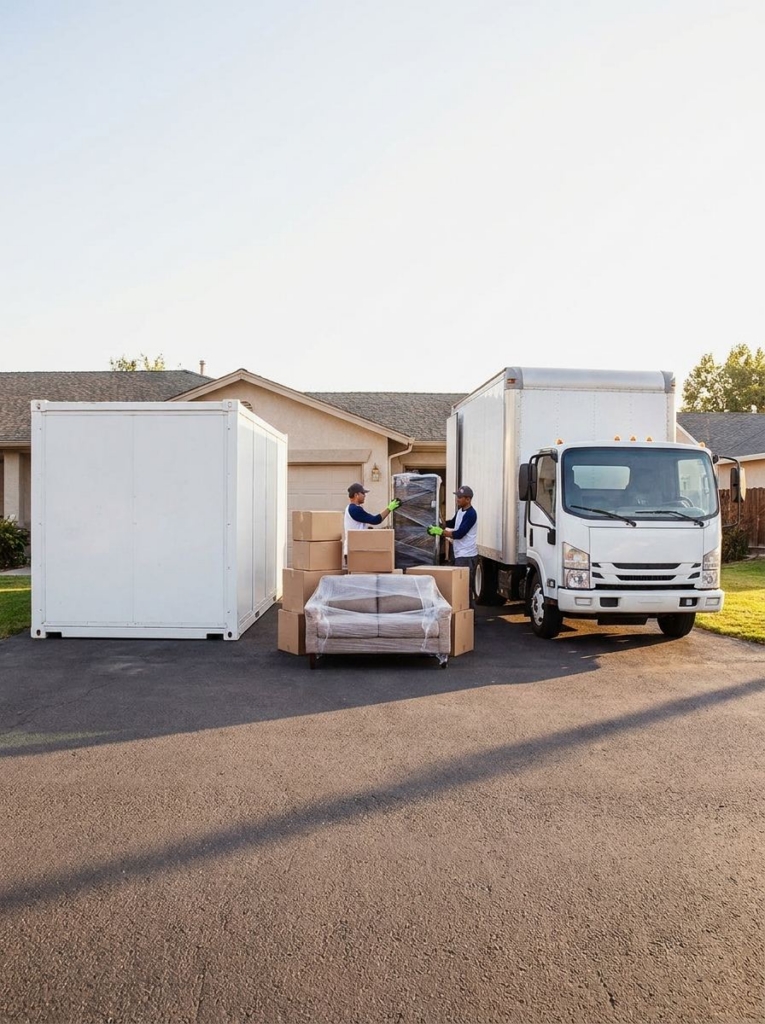
Quick Answer: 2026 PODS Out-of-State Cost for a Small Move
How much does PODS cost to move out of state? Published 2026 moving-cost guides generally place long-distance PODS and similar moving-container moves in the low-thousands to several-thousands range, with one-bedroom interstate moves commonly quoted as a broad range rather than a fixed price. Your actual PODS moving cost for a small move depends on the route, mileage, container size, season, availability, storage time, and local delivery or pickup charges.
For a studio, one-bedroom apartment, or partial household, a container quote is only one piece of the budget. If you are not sure whether your shipment counts as a small interstate move, this small move guide can help you frame the load before you compare quotes.
The key point: a PODS quote is not always the total move cost. It may not include loading help, unloading help, packing materials, parking permits, apartment access issues, or upgraded contents protection. This article compares four common choices: a PODS-style moving container, a small-load or partial-load mover, a DIY rental truck, and a traditional full-service mover.
Treat all price ranges as planning ranges, not guarantees. Before booking, verify current 2026 pricing, service terms, fuel or delivery charges, and coverage details directly with each provider.
What Size PODS Container Do You Need for a Studio or One-Bedroom Move?
Container size is where many small-move budgets change. A studio or modest one-bedroom apartment may fit into an 8-foot container if the load is compact and packed well. A larger one-bedroom with a queen bed, sofa, dresser, dining set, desk, kitchen goods, and many boxes may need a 12-foot or 16-foot container, depending on what is available for your route.
That sizing decision matters because you usually pay for access to a whole container, not just the exact space your items occupy. Upgrading to a larger container can raise the quote. So can needing a second container because the first one was packed inefficiently. On the other hand, renting a large container for a small set of furniture can mean paying to move air.
A full one-bedroom load may be a good container fit: mattress and frame, sofa, coffee table, kitchen table, chairs, dresser, boxes, lamps, and basic household goods. A container may be less efficient for a sofa and bedroom set only, a few heirloom pieces, office equipment, student belongings, or downsizing items that would occupy only a small portion of the container.
When an 8-Foot Container May Be Enough
An 8-foot container may work when the move is closer to a studio than a full apartment. Think: bed, small sofa, compact dresser, small table, several boxes, and limited outdoor or bulky items. It also helps if furniture can be disassembled, boxes are uniform, and the person loading knows how to stack and brace items safely.
The risk is underestimating volume. Cushions, lamps, chairs, awkward furniture, wardrobe boxes, and fragile items that cannot be stacked tightly can eat space fast. If you are close to the limit, ask the container company how upgrades work and whether larger containers are available for your interstate route.
When You’re Paying for Empty Space
A container can become expensive for a small load when you only need to move selected items: a sectional, a bedroom set, several framed pieces, a desk, or a few boxes from a dorm or senior downsizing project. In those cases, the PODS cost for one bedroom move may look reasonable at first, but the economics can weaken if you are using only part of the container and still need to pay for labor, packing, and delivery logistics.
For these loads, small-load movers may make more sense because the service is designed around partial shipments, not renting an entire container.
PODS vs. Small-Load Movers: Which Costs Less for a Studio or 1BR?
The cheaper option depends on total cost, not sticker price. PODS can cost less when you have enough belongings to fill most of the container, can pack and load safely, and want time to load over several days. It can also help if you need temporary storage between move-out and move-in.
Small-load movers price differently. Instead of renting a whole container, they may price by shipment minimum, weight, cubic feet, item type, distance, service level, or specialty handling. If you want a deeper explanation of shipment minimums and partial-load pricing, see this guide to partial move costs and options.
Small-load movers can be more cost-efficient when you are moving a few large furniture pieces, fragile items, partial apartment contents, or a load that needs labor on both ends. A door-to-door small move service may include pickup, loading, transport, and delivery in one quote, which makes the comparison clearer.
PODS can win when you have a near-full studio or one-bedroom load, legal container placement, flexible timing, and confidence in your packing and loading. The moving container vs movers question is not about which model is always cheaper. It is about which model matches the size, risk, labor, and timing of your shipment.
- PODS-style moving container — Best for: Near-full studio or 1BR, flexible loading, storage gap. What’s usually included: Container delivery, transport, final delivery, basic rental period. Common extra costs: Labor, packing supplies, lock, storage, permits, valuation, access issues. Cost risk for small loads: Paying for unused space or adding labor on both ends.
- Small-load mover — Best for: Furniture, partial apartment contents, fragile pieces, senior downsizing. What’s usually included: Varies, but may include pickup, loading, transport, delivery, packing options. Common extra costs: Crating, stairs, long carries, valuation upgrades, special handling. Cost risk for small loads: Minimum charges can matter for very tiny shipments.
- DIY rental truck/van/trailer — Best for: Budget moves with able drivers and helpers. What’s usually included: Vehicle rental for a set period. Common extra costs: Fuel, mileage, tolls, insurance, hotels, equipment, parking. Cost risk for small loads: Savings disappear if distance and labor are underestimated.
- Full-service mover — Best for: Larger households or hands-off moves. What’s usually included: Loading, transport, unloading, basic furniture protection. Common extra costs: Packing, materials, valuation, storage, access fees. Cost risk for small loads: Minimums may be high for a studio or partial load.
PODS Sticker Price vs. Real Total Move Budget
A container quote may include the container, initial delivery, long-distance transit, and final delivery, but every provider structures pricing differently. Common add-ons include monthly storage, a lock, packing supplies, moving blankets, straps, liability or contents protection, parking permits, and optional labor.
This is why the small move shipping cost can change after the first quote. You are not only buying transportation. You are also solving for labor, timing, access, risk, and materials.
Labor Costs
PODS-style containers are usually built around customer loading. If you hire third-party labor at origin and destination, the total can move closer to the cost of small move movers with loading included. Labor charges may apply for packing, carrying items down stairs, disassembling furniture, loading the container, unloading at destination, and reassembly.
For a strong, able crew with time and the right equipment, DIY loading can save money. For a fourth-floor walk-up, a heavy dresser, a sleeper sofa, or fragile furniture, professional help may prevent injury and damage.
Storage and Timing
Containers can be useful when move-out and move-in dates do not line up. You can load before you leave, store the container, and schedule final delivery later. That flexibility is one of the strongest container advantages.
The tradeoff is storage cost. If your closing date slips, lease start changes, elevator reservation falls through, or destination building will not accept the container, monthly charges can add up. Ask how many storage days are included, when the next billing period starts, and whether redelivery fees apply.
Apartment Access Fees
Apartments and city addresses can complicate container moves. Limited parking, HOA rules, loading dock windows, elevator reservations, street placement restrictions, stairs, long carries, and city permits can affect both cost and feasibility.
Before choosing a container, confirm that it can legally sit at both addresses. Some buildings do not allow portable containers. Some streets require permits. Some cities restrict placement or pickup times. If the container cannot be placed close to your door, labor costs rise quickly.
Cheapest Ways to Move a Small Load Out of State
The cheapest way to move a small load out of state depends on what you are moving. Boxes behave differently than furniture. Fragile items behave differently than dorm supplies. A low-cost method that works for ten boxes may be a poor fit for a walnut dresser, art, or a glass-front cabinet.
Common low-cost paths include a cargo van, rental truck, tow-behind trailer, portable container, parcel shipping for boxes, freight or LTL, and specialty furniture shipping. The best answer is often a mix.
A DIY rental truck can look cheap until you add the one-way rental fee, mileage, fuel, tolls, hotels, food, insurance, parking, moving equipment, and the value of your time. It can still be the right choice for a manageable distance with reliable helpers. For a cross-country one-bedroom move, the true cost can be less predictable.
If most of the load is boxes, shipping boxes separately may be cheaper than renting a large container. If the load is mostly furniture or fragile items, specialty shipping may be safer and sometimes more economical than a mostly empty container. For furniture-specific strategies, compare ways to ship furniture out of state cheaply.
A hybrid move often works well: ship books, clothes, and household boxes through economical channels, then use a small-load mover for furniture, antiques, art, or oversized pieces.
- Few boxes only — Often worth comparing first: Parcel shipping, bus or freight options, checked baggage if flying.
- Boxes plus one or two furniture pieces — Often worth comparing first: Box shipping plus small-load furniture shipping.
- Full 1BR — Often worth comparing first: PODS/container, rental truck, small-load mover, full-service mover.
- Fragile or high-value furniture — Often worth comparing first: Small-load mover with packing, crating, or blanket wrap.
- Need storage — Often worth comparing first: PODS/container storage, mover storage, short-term storage unit plus delivery.
When a Small-Load Mover Is Worth More Than a Cheaper Container
A cheaper container is not always the lower-risk choice. PODS alternatives for small moves become more attractive when damage risk, physical effort, and coordination matter as much as price.
With a container, you are usually responsible for packing, loading, bracing, and securing items. If furniture shifts, boxes crush, or fragile items are not protected, the savings can disappear. Interstate transport exposes a load to vibration, turns, braking, and handling at different points in the trip. Good loading matters.
Professional packing, crating, blanket wrap, inventory, and white-glove delivery can justify a higher quote for antiques, valuable furniture, art, senior downsizing pieces, estate items, inherited items, and small office moves. If that describes your shipment, compare the cost to ship antiques or valuable furniture before choosing the cheapest container.
Also compare liability and valuation carefully. Container contents protection is not the same thing as mover-provided valuation or shipping insurance. Terms, exclusions, deductibles, and claim limits vary. Ask what is covered, what is excluded, and what documentation is required if something is damaged.
Finally, consider the physical work. Stairs, heavy lifting, disassembly, reassembly, destination unloading, and coordinating help in two cities can be harder than expected. If you do not have reliable help, a door-to-door small-load service may be worth the premium.
Bottom Line: Which Option Should You Choose?
There is no universal winner in the PODS vs small load movers debate. The right choice depends on load size, labor, access, timing, and risk.
Choose a PODS-style container if you have a near-full studio or one-bedroom, need flexible storage, can pack and load safely, and have legal container placement at both addresses. It can be a strong value when you use most of the container and do not need much paid labor.
Choose a small-load mover if you have less than a full apartment, need loading included, are moving furniture or valuable items, or want door-to-door handling without renting unused container space. This is often the better fit for partial apartment moves, downsizing loads, heirlooms, and specialty furniture.
Choose a rental truck if you are physically able to load and drive, the distance is manageable, and fuel, lodging, insurance, and time do not erase the savings.
Choose a full-service mover if you are moving a larger household or want maximum hands-off service and are comfortable with higher minimums.
Before booking any option, compare quotes line by line. Ask for the container size or shipment minimum, transit time, included storage days, labor included, packing materials, permits, valuation or liability terms, access fees, stairs or long-carry charges, and final delivery terms. The cheapest quote is only useful if it covers the move you actually need.