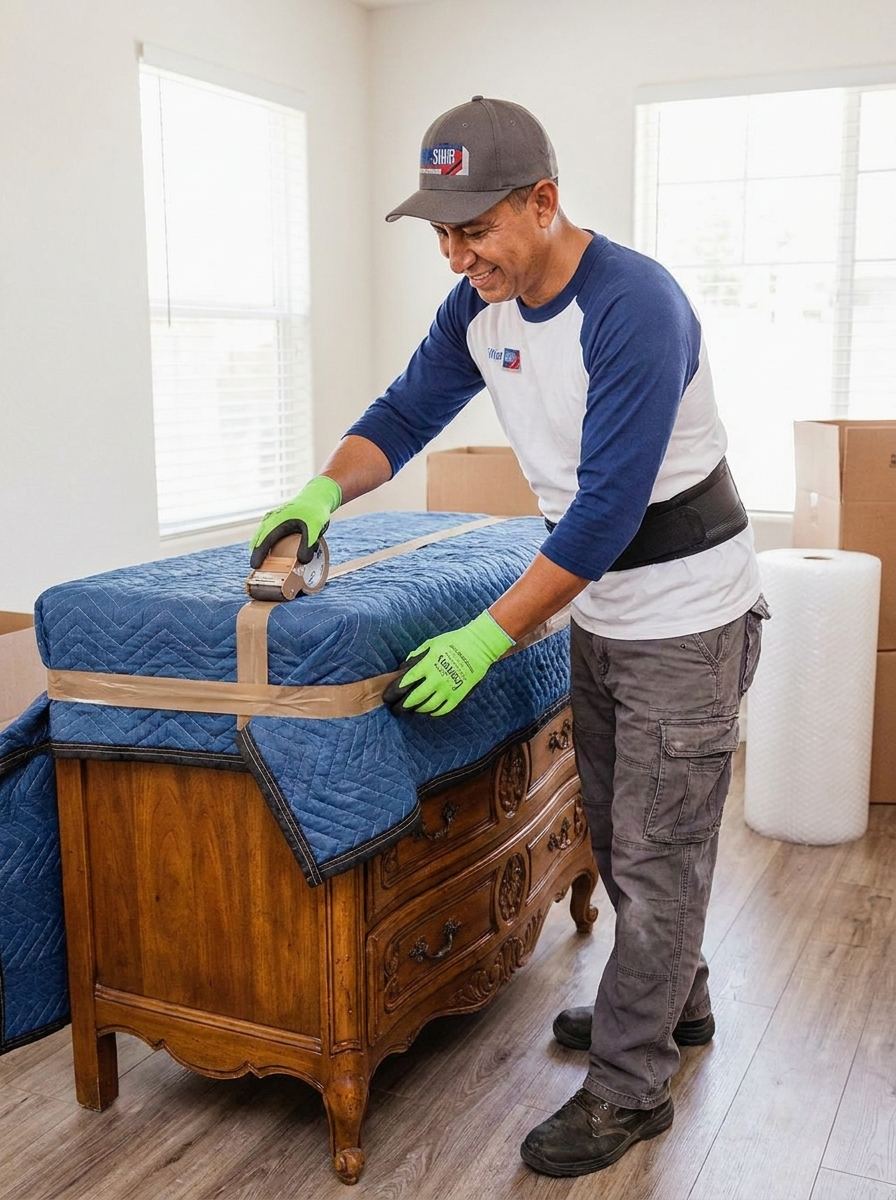
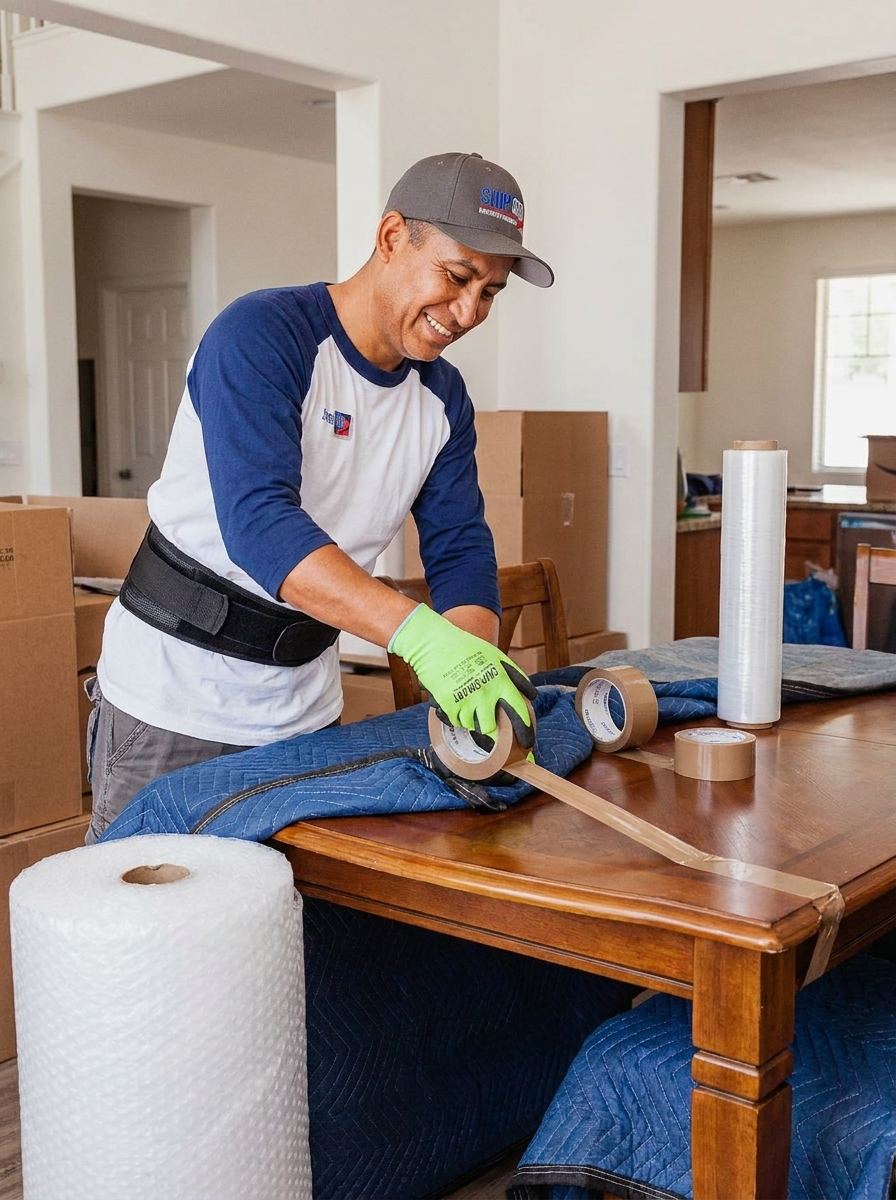
Learning how to pack and ship furniture safely starts before you buy a roll of bubble wrap. The right plan depends on what you are shipping, how far it is going, how fragile it is, and how much help you want at pickup and delivery. A sturdy nightstand going across town is very different from a glass-front heirloom bookcase going cross-country.
Use this guide to decide whether to pack furniture yourself, when to consider freight or crating, and what details to gather before requesting a quote.
Start Here: Choose the Right Furniture Shipping Plan
Most people searching for furniture shipping help are not moving a full household. They may need to ship one chair, a bedroom set, a dining table, an inherited antique, or a few pieces from a college apartment. The goal is simple: get the furniture there without damage and without surprise costs.
Before packing, look at six things:
- Distance: Local moves can often be handled with blankets, careful loading, and tie-downs. Long-distance moves usually need stronger protection.
- Value: Expensive, sentimental, or hard-to-replace furniture deserves more protection and better documentation.
- Fragility: Glass, marble, mirrors, carved wood, thin legs, and delicate upholstery raise the risk.
- Size and weight: Oversized or heavy pieces may require extra labor, a pallet, a crate, or liftgate service.
- Access: Stairs, elevators, narrow halls, tight doorways, and limited parking affect handling.
- Disassembly: Removing legs, shelves, drawers, or glass tops can reduce the risk of damage and shipping size.
For a short local move, DIY transport with a rental van or truck may be enough if you can load safely. Small detachable pieces may qualify for parcel shipping if they fit securely in a box. Large pieces often move by LTL freight, consolidated small-load shipping, or white-glove service. Consolidated shipping can be a smart fit when you have one or a few furniture pieces and do not need a full truck. White-glove or professional furniture shipping adds help with packing, pickup, transport, and delivery.
As a rule, the farther the furniture travels and the more handling it will receive, the more protection it needs. A blanket wrap may work for a local sofa move. A long-distance shipment may need custom boxing, palletizing, crating, or professional packing.
Furniture Packing Supplies You’ll Need
The right supplies protect surfaces, absorb vibration, and keep parts from shifting. Common furniture packing materials include:
- Moving blankets and furniture pads for wood, metal, and upholstered surfaces
- Packing paper for finished surfaces that should not touch plastic or tape
- Bubble wrap and foam sheets for fragile details, carved areas, glass-adjacent parts, and delicate components
- Stretch wrap to hold padding in place and secure drawers or doors after the furniture is protected
- Corrugated cardboard for edges, flat surfaces, and custom outer layers
- Corner protectors for tables, desks, dressers, cabinets, and framed pieces
- Heavy-duty packing tape for boxes and cardboard seams
- Labels and markers for contents, orientation, fragile areas, and destination information
- Zip bags for screws, bolts, washers, knobs, shelf pegs, and other hardware
- Tie-down straps for securing furniture in a truck, container, or palletized shipment
Each material has a job. Blankets protect broad wood and upholstered surfaces. Foam and bubble wrap cushion fragile areas. Cardboard guards the edges and corners. Stretch wrap holds the protection together. Boxes keep small removable parts from getting lost.
One important warning: do not place tape directly on wood, leather, painted surfaces, stained finishes, upholstery, or lacquer. Tape can leave residue, pull off finish, or mark the surface. Tape should touch only packing materials, never the furniture itself.
Basic supplies are not always enough. Glass tops, marble, mirrors, antiques, unusually shaped pieces, high-value furniture, and long-distance freight shipments may need custom packing or crating. If the item is fragile, valuable, or difficult to replace, professional packing and shipping can reduce risk and clarify coverage terms.
How to Pack Furniture for Shipping: Step-by-Step
Good packing is a sequence. Do not start wrapping until the furniture is clean, inspected, and broken down as much as practical.
Clean and inspect the furniture
Dust, grit, and crumbs can scratch furniture during transport, especially when padding presses against the surface. Wipe down hard surfaces, vacuum upholstery, and let anything damp dry completely before wrapping.
Take clear photos from all sides before packing. Photograph corners, legs, drawers, hardware, glass, upholstery, and any existing scratches or dents. Written notes help too. If a claim arises later, condition photos are important.
Disassemble what you can
Remove parts that stick out, shift, or create weak points. Depending on the piece, that may include legs, shelves, drawers, cushions, knobs, pulls, bed rails, glass tops, leaves, and detachable panels.
Disassembly can lower the shipping profile, reduce stress on joints, and make the piece easier to carry through doors. Do not force anything. If a part is glued, antique, brittle, or unclear, leave it intact or ask a professional.
Bag and label hardware
Small hardware is easy to lose. Put screws, bolts, washers, brackets, pegs, and knobs in zip bags. Label each bag with the furniture name and part location, such as “desk legs” or “bed frame side rails.”
You can tape the bag to the outside of the wrapped item as long as the tape touches only packing material. For multiple pieces, a labeled parts box is often safer.
Wrap vulnerable surfaces
Choose the wrap based on the finish. Use packing paper or foam against finished wood, painted surfaces, and delicate areas. Add moving blankets over broad surfaces. Use bubble wrap for fragile details, but avoid letting plastic sit directly against finishes that could react to heat or pressure.
Wrap snugly, not aggressively. The goal is to protect the item without bending trim, compressing upholstery, or creating pressure points.
Protect corners, legs, doors, and moving parts.
Corners and edges take the most abuse. Add corner protectors, folded cardboard, or foam blocks to tables, desks, dressers, cabinets, and headboards. Wrap legs individually if they cannot be removed.
Secure drawers and doors so they do not swing open. Use stretch wrap around the already padded item, or wrap the door area with cardboard and padding first. Again, never tape directly to the furniture.
Box smaller pieces and loose components.s
Small parts should go in snug boxes with cushioning on all sides. Fill space with packing paper, foam, or other void fill so nothing rattles. Fragile items such as lamp bases, small shelves, detached feet, or hardware bags should be fully cushioned.
Seal boxes with heavy-duty tape and label them clearly. Mark “fragile” where appropriate, but do not rely on the label alone. The packing must protect the item even if the box is handled roughly.
Label and document the shipment
Labels help handlers and help you unpack. Mark the destination, sender information, piece name, orientation, fragile areas, matching parts, and special instructions such as “glass packed separately” or “hardware in parts box.”
Keep photos of the packed furniture, too. If you are using a shipping company, ask what labeling or paperwork they require before pickup.
How to Pack Common Furniture Pieces
Different furniture fails in different ways. Pack for the weak points, not just the outside shape.
Sofas and upholstered chairs
Remove cushions, legs, and detachable pillows when possible. Wrap legs separately or bag hardware for reassembly. Protect arms, corners, and exposed wood trim with foam or cardboard.
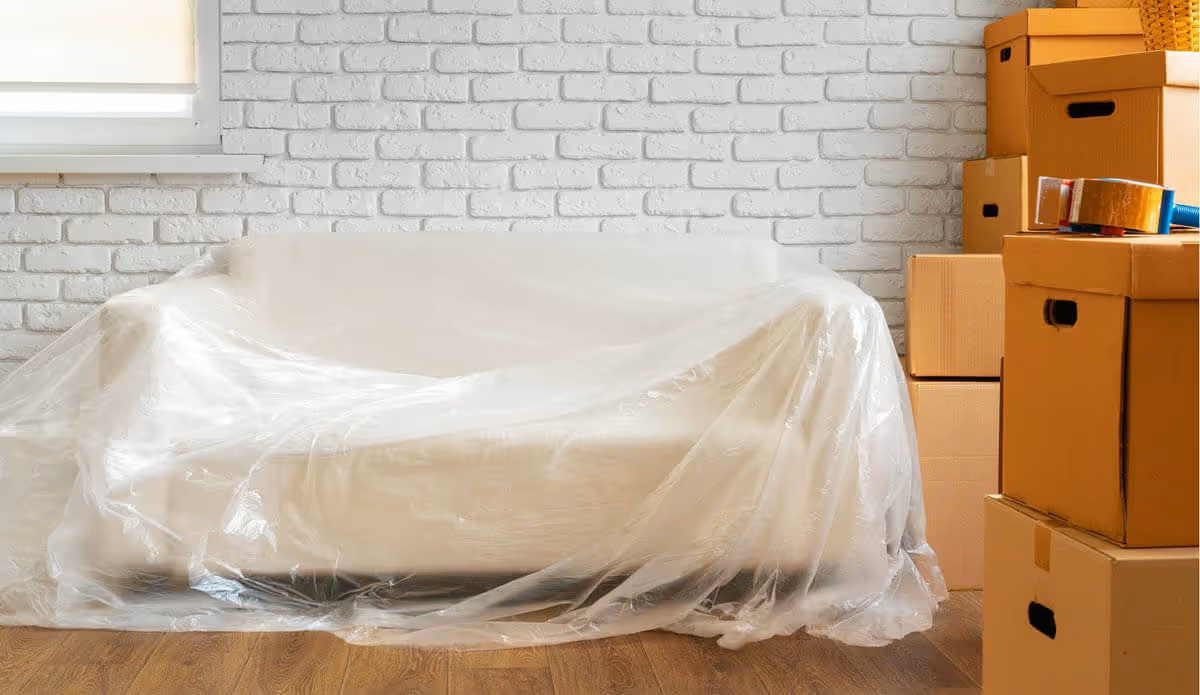
Use breathable protective material around upholstery when possible. Avoid trapping moisture inside plastic for long periods, especially in humid conditions. Stretch wrap can hold padding in place, but the upholstery should be clean and dry first.
Tables and desks
Remove legs when practical. Table legs are common points of damage because they catch on doors, truck walls, and other freight. Wrap the tabletop separately with paper or foam, then with blankets or cardboard.
Protect all corners. Keep hardware labeled. For desks, remove loose shelves, detachable trays, or drawers if they can shift.
Dressers, cabinets, and nightstands
Drawers can be removed, packed separately, or secured shut after the piece is padded. If drawers stay in place, make sure they cannot slide open during loading.
Protect pulls and knobs. A protruding handle can dent another item or snap off under pressure. Doors on cabinets should be secured with padding and stretch wrap, not tape on the finish.
Beds and headboards
Disassemble bed frames into rails, slats, headboard, footboard, and hardware. Bundle rails together with padding between finished surfaces. Label each bundle so reassembly is easy.
Wood headboards need corner and surface protection. Upholstered headboards should be clean, dry, and wrapped without crushing tufting or trim.
Glass tops, mirrors, and stone surfaces
Glass, mirrors, marble, and stone should usually travel separately from the furniture base. Use foam, cardboard, and edge protection. Avoid direct pressure points, especially at corners and along thin edges.
These materials are high risk. For long-distance shipping, professional crating is often the safer choice.
Antiques, heirlooms, and fragile furniture
If the furniture has high sentimental value, replacement value, or fragile construction, treat it differently from everyday furniture. Older glue joints, veneers, carved details, curved glass, and delicate legs can fail under normal freight stress.
Professional packing or crating is usually worth considering for antiques, heirlooms, and one-of-a-kind pieces.
Preparing Furniture for Freight, Pallets, or Crates
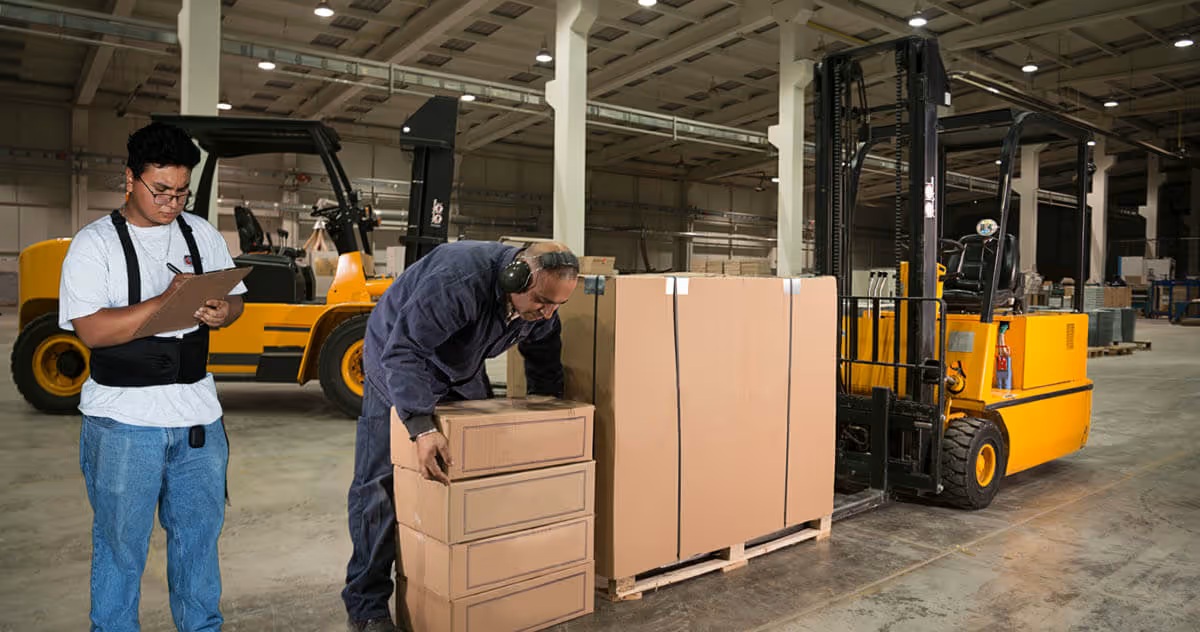
Long-distance furniture shipping is not the same as loading a rental truck and driving across town. Freight shipments may be moved by forklift, transferred between terminals, or placed near other freight. That extra handling means the furniture needs protection from vibration, shifting, compression, and impact.
Palletizing makes sense for large boxed items, multiple boxes that should stay together, or furniture that needs a stable base for LTL transport. A pallet helps keep the shipment contained and easier to move with equipment.
The basic sequence is:
- Wrap and protect the furniture.
- Place it in a custom box or crate if needed.
- Set the box or crate on a pallet.
- Secure it with bands or straps.
- Stretch-wrap the palletized shipment.
- Attach labels, paperwork, and handling instructions.
If there is no loading dock at pickup or delivery, ask about liftgate service. A liftgate lowers the shipment from truck height to ground level and is often needed for residential furniture shipments.
Consolidated shipping is another option when you are moving one piece or a few pieces rather than a full household. Ship Smart’s small-load moving service is built around that type of shipment. Depending on the item and route, professional shippers may use blanket wrap, custom boxing, palletizing, full crating, or a combination of methods.
What Affects Packing and Crating Costs?
Packing and crating costs vary because not all furniture needs the same level of protection. A simple wood chair and a marble-top antique cabinet may be similar in size, but they are not similar in packing.
Common cost factors include:
- Item dimensions
- Item weight
- Fragility and material type
- Declared value
- Shipping distance
- Number of pieces
- Packing materials required
- Custom crate size
- Labor time
- Stairs, elevators, or difficult access
- Pickup and delivery locations
- Speed of service
High-risk materials cost more to pack because they require more time, materials, and skill. Glass, marble, mirrors, delicate upholstery, carved wood, antiques, and irregular shapes may need foam blocking, reinforced cardboard, double-wall boxes, palletizing, or a custom crate.
It also helps to understand the difference between packing levels. Standard packing may mean blankets, paper, foam, and boxes for parts. Blanket wrap protects surfaces in controlled moving environments. Custom boxing creates a protective outer shell for a specific item. Palletizing secures boxed items to a stable base. Full crating builds a stronger enclosure around fragile, valuable, or high-risk pieces.
Before requesting a quote, gather measurements, weight if known, photos, pickup and delivery details, access notes, and the item’s value. Better information leads to a more accurate estimate.
Loading and Transport Tips to Prevent Damage
Suppose you are handling a local move yourself, loading matters as much as packing. Measure doorways, halls, stair turns, elevators, and truck openings before moving large pieces. Clear obstacles, protect floors, and pad door frames where tight turns are likely.
Use furniture dollies, lifting straps, and enough helpers. Do not drag furniture across floors or lift heavy pieces by weak parts such as arms, legs, trim, or drawer pulls.
Load heavier pieces first and place them low. Keep fragile items away from heavy furniture. Fill gaps with pads, boxes, or other stable items to prevent anything from shifting. Avoid stacking heavy items on delicate surfaces, legs, arms, glass, stone, or upholstered areas.
Secure furniture inside the truck with straps and padding. The goal is to prevent movement during turns, braking, and over bumps and rough roads. Even a well-wrapped item can be damaged if it slides across the truck.
For DIY driving, check the vehicle before leaving. Make sure tires, fuel, lights, and fluids are ready for the trip. Drive smoothly, avoid sudden stops, slow down for potholes and sharp turns, and unload carefully in reverse order.
When to Hire a Professional Furniture Shipping Company
Professional help is worth considering when the move is long-distance, the item is valuable, or the furniture is difficult to pack safely. It is also useful for antiques, glass, marble, oversized pieces, stairs, limited loading help, or anyone who does not have the tools or experience to pack furniture for shipping.
Choose a company carefully. Check reviews, ask how they pack furniture like yours, and clarify who is responsible for packing. Ask whether the item will be blanket wrapped, boxed, palletized, or crated. Confirm pickup and delivery services, access requirements, timing, and what happens if the shipment needs a liftgate.
Ask about insurance, valuation, and claims terms before the furniture is picked up. Document the item’s condition, understand the declared value, and confirm whether coverage depends on professional packing. In some cases, claims can become more difficult when one party packs the item and another transports it.
Ship Smart focuses on small-load furniture shipping, professional packing, crating, pickup, transport, and delivery for people who are not moving an entire household. That can be a practical fit for a few pieces, a single valuable item, or a cross-country furniture shipment.
When you are ready, gather dimensions, photos, pickup and delivery addresses, access details, and item value. Then request a furniture shipping estimate so the quote reflects the packing, crating, handling, and transportation your furniture actually requires.




 12 JULY 2026