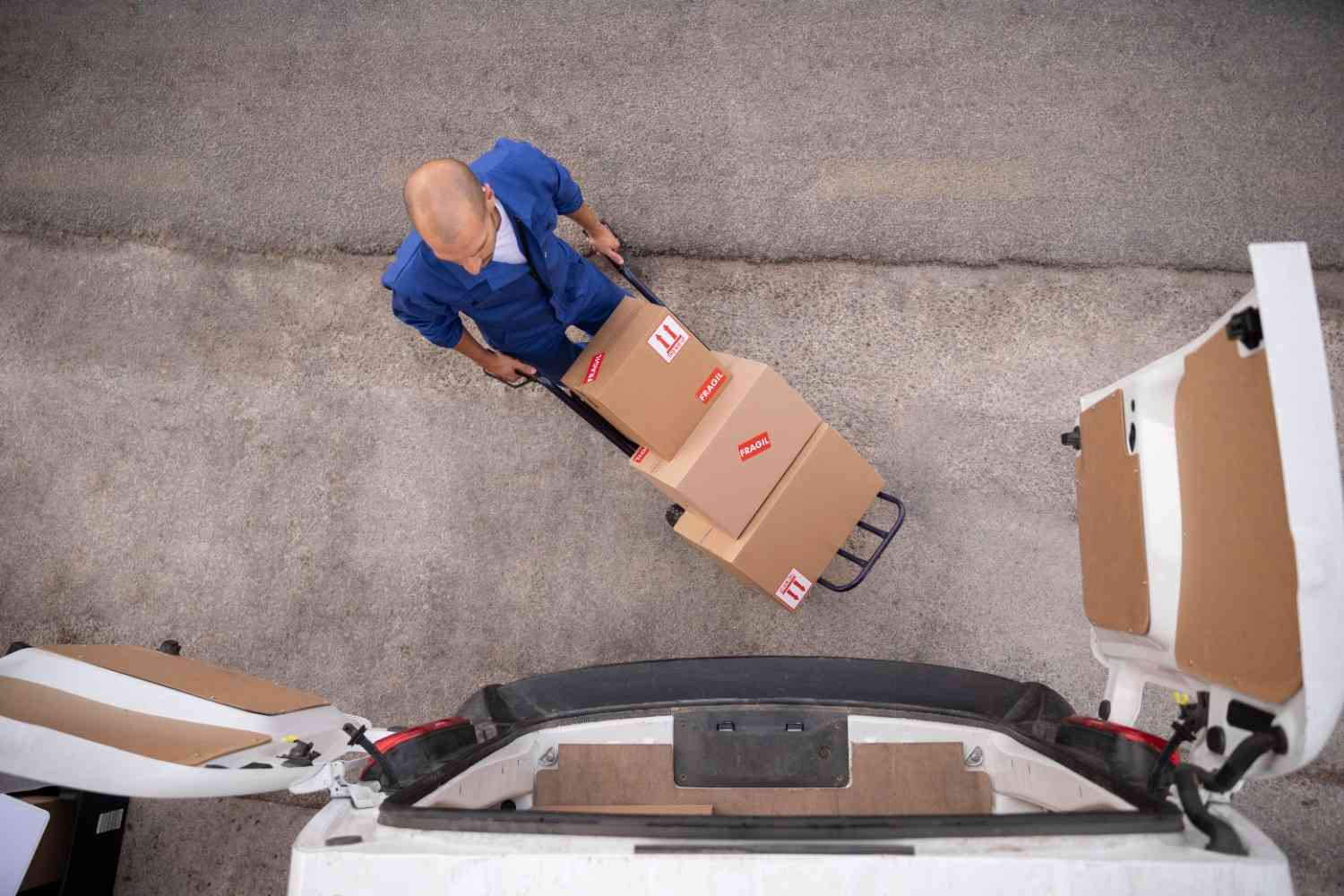
Moving in Los Angeles comes with its own set of challenges. Whether you are relocating from a studio in Silver Lake, clearing out a spare room in Culver City, or sending a portion of your belongings ahead to a new home across the country, packing a small or partial load is a different exercise than packing up an entire house. The good news is that with some planning and the right approach, you can do it efficiently, protect your things, and avoid the common mistakes that cost people time and money.
This guide is designed to walk you through the entire process, from figuring out what you actually need to pack to getting your boxes ready for transport with a partial load carrier.
Start by Taking Stock of What You Are Moving
Before you buy a single roll of tape or fold a single box, you need a clear picture of what is going with you. This step is especially important for partial loads because you are likely sharing space in a truck or container with other shipments. Every cubic foot matters, and knowing your volume upfront helps you communicate accurately with your moving company and avoid paying for space you did not use or scrambling because you underestimated.
Walk through your home with a notepad or your phone and make a rough inventory. You do not need to list every single item, but you should group things by category: furniture, boxes of clothes, kitchen items, electronics, and anything fragile or oddly shaped. Pay attention to large pieces that cannot be broken down. A queen mattress, a sectional sofa, or a tall bookshelf each takes up significant space and requires specific packing considerations.
Once you have your list, estimate the number of boxes you think you will need. A good rule of thumb is that a standard bedroom worth of belongings typically fills somewhere between 15 and 25 medium boxes plus any furniture. A studio apartment might come in closer to 10 to 20 boxes. If you are only moving a portion of your items, you can scale accordingly.
Gathering the Right Supplies
Good packing starts with good materials. In Los Angeles, you have plenty of options for sourcing supplies affordably. Home Depot, U-Haul, and local moving supply stores carry everything you need. You can also find free boxes on Nextdoor or Facebook Marketplace from people who recently moved.
Here is what you will realistically need for a small move:
Small boxes work best for heavy items like books, canned goods, and tools. Medium boxes are your workhorses and handle most household items comfortably. Large boxes are ideal for light but bulky things like pillows, comforters, and lampshades. Wardrobe boxes are worth renting or purchasing if you have hanging clothes you want to keep wrinkle-free.
Beyond boxes, you will need packing tape and a good tape gun, plenty of packing paper or newsprint, bubble wrap for fragile items, markers for labeling, and mattress bags if you are moving any beds. Stretch wrap, which is the clear plastic film you can find at most moving supply stores, is genuinely useful for keeping furniture drawers closed and protecting upholstered pieces from dirt and scuffs.
Avoid using garbage bags for anything other than soft items like stuffed animals or extra pillows. They offer zero protection and make stacking in a truck nearly impossible.
Packing Room by Room
The most effective way to pack a partial load is to work room by room and keep everything from each space together. This makes unpacking dramatically easier and helps you stay organized during the move itself.
Kitchen and Fragile Items
The kitchen is usually the most time consuming room to pack. Dishes, glasses, and cookware all need individual attention. Wrap each plate in packing paper and stack them vertically in boxes, not flat. Glasses should be individually wrapped and placed upside down. Fill any empty space in boxes with crumpled paper so nothing shifts in transit. Label every kitchen box as fragile on the top and at least two sides.
Clothing and Soft Goods
For clothing you are folding and packing, medium boxes work well. Roll clothes instead of folding them flat. Rolling reduces wrinkles and lets you fit more in each box. For items on hangers, wardrobe boxes are worth the investment, especially in LA where people often have a lot of seasonal and occasion wear they want to keep in good shape.
Bedding, towels, and linens can do double duty. Use them as padding inside boxes around fragile items. A thick towel wrapped around a lamp base takes the place of several sheets of bubble wrap and saves space.
Electronics
Whenever possible, pack electronics in their original boxes. If you no longer have those, wrap each item in bubble wrap and pack it snugly in an appropriately sized box with padding on all sides. Never pack electronics loosely. Even minor jostling during a long haul across the country can damage screens or internal components. Label these boxes clearly and consider marking them as high priority for your own awareness when loading and unloading.
Furniture
For a partial load move, furniture preparation is just as important as box packing. Disassemble anything that can be taken apart. Remove table legs, take apart bed frames, and break down bookshelves if possible. Keep all hardware like screws, bolts, and brackets in small plastic bags and tape them directly to the corresponding piece of furniture so nothing gets lost.
Wrap the surfaces of wooden furniture with moving blankets or stretch wrap to protect against scratches. Upholstered pieces like sofas and chairs should be covered with stretch wrap or moving blankets to keep them clean. In Los Angeles, where furniture often gets loaded onto a truck in an outdoor setting, keeping pieces covered also protects them from dust and sun exposure during loading.
Labeling: The Step Most People Rush
Labeling is one of those things that feels tedious in the moment but makes an enormous difference on the other end. Every box should have at least three pieces of information written clearly on the outside: the destination room, a general description of the contents, and any handling instructions like fragile or this side up.
Use a thick black marker and write on the top and on at least one side of every box. If you are moving to a new city and your shipment may be in storage for any period of time, consider adding a number to each box and keeping a simple master list on your phone. You do not need to catalog every sock and spatula, but knowing that box 14 is kitchen fragiles and box 22 is bedroom linens saves real time when you are unpacking.
Color coding with tape or sticker dots is another effective system. Assign each room a color and mark boxes accordingly. This is especially useful if you have helpers or movers on the other end who do not know your home.
Thinking About Volume and Weight
For partial load moves, weight and volume work together to determine your cost and your logistics. Most carriers calculate price based on cubic feet for smaller shipments rather than weight alone, but extremely heavy boxes can still create problems during loading and transit.
Keep individual boxes under 50 pounds whenever possible. Heavy boxes are harder to handle, more likely to get dropped, and can cause injuries. If you are packing books, split them across multiple small boxes rather than loading everything into one massive one. A good rule is that if you cannot comfortably carry a box with both hands, it is too heavy.
Stack heavier boxes at the bottom and lighter ones on top when staging your items. When partial loads are packed into a truck or container, heavier items always go in first and on the floor to maintain stability during transport. Communicating this to your carrier, or following it yourself if you are doing a DIY load, will prevent a lot of potential damage.
Working With a Partial Load Carrier in Los Angeles
Once your items are packed, labeled, and staged, the next step is coordinating with your carrier. If you are using a partial load or consolidated shipping service, which is the smart choice for smaller moves because you only pay for the space you use, there are a few things to know about how the process works in LA.
Pickup windows in Los Angeles can vary depending on traffic and scheduling, so build in some flexibility on your end. Have everything ready before your pickup window, not during it. Carriers are often moving between multiple stops, and having your items staged and accessible makes the process faster for everyone.
Make sure someone is present during pickup with a complete inventory list. Confirm the condition of your items at the time of loading and note anything that was already scratched or damaged beforehand. Taking photos of furniture and fragile items before they leave your home is a good habit regardless of how careful your carrier is.
For LA residents looking for experienced help with exactly this kind of move, the ShipSmart’s trusted partial load services at ShipSmart understand the specific logistics of partial load pickups across the city’s many neighborhoods and can walk you through what to expect.
A Few Final Thoughts
Packing a small move well comes down to preparation, patience, and paying attention to the details that most people skip. Using the right box for the right item, wrapping fragile things properly, labeling consistently, and understanding how partial loads work will make your move smoother from start to finish.
If you want to learn more about how consolidated shipping can save you money while still getting your belongings handled with care, small move specialists serving Los Angeles are a good place to start. Small moves deserve the same attention as big ones, and with the right foundation in place, yours can go exactly as planned.




 27 MARCH 2026