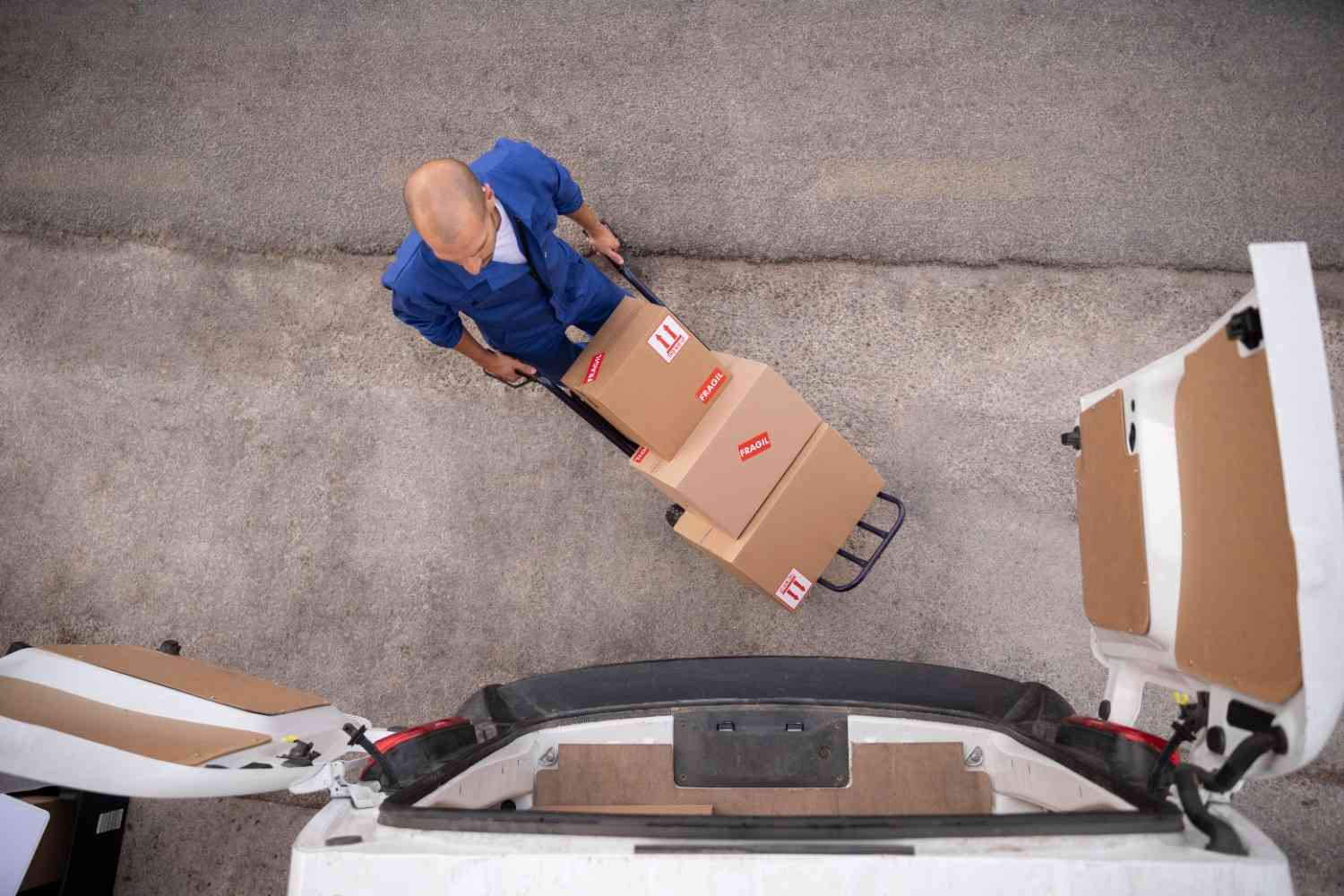
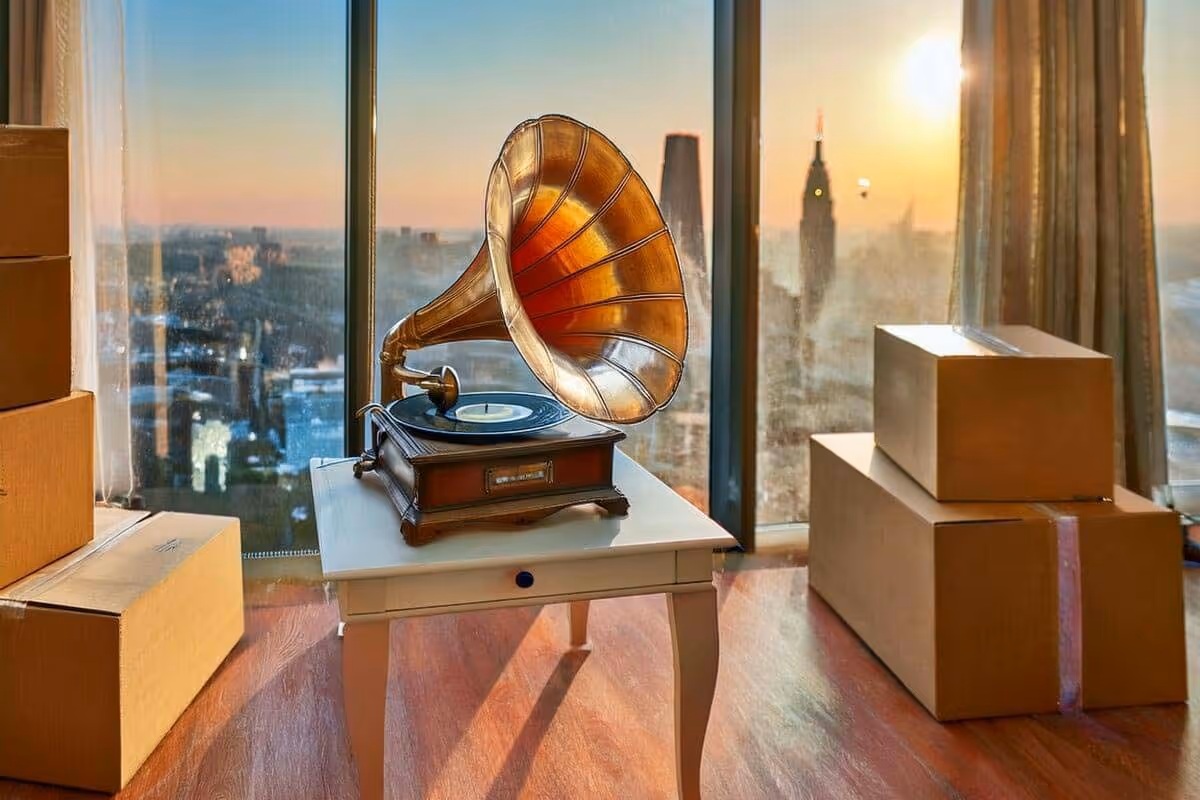
Shipping antiques, heirlooms, and valuable fragile items requires expertise that goes far beyond standard furniture moving. Whether you’re relocating a collection of mid-century modern pieces from your Hancock Park home, sending inherited china across the country, or moving delicate artwork from a Silver Lake gallery, understanding how to protect items that can’t be replaced is essential.
Los Angeles, with its thriving antique districts in places like Melrose Avenue, La Brea, and West Hollywood, sees constant movement of valuable items both locally and internationally. But not all moving companies possess the specialized knowledge, materials, and insurance coverage that antiques demand. Making the wrong choice can result in irreversible damage to pieces worth thousands of dollars or items with priceless sentimental value.
Why Antiques Require Specialized Handling
Antique furniture and fragile valuables differ fundamentally from modern IKEA pieces in ways that affect every aspect of moving.
Age-related vulnerabilities:
Wood in antique furniture has spent decades or centuries expanding, contracting, and settling. Joints that held firm for generations can suddenly fail when subjected to the stress and vibration of moving. A mahogany dresser from the 1920s has different structural integrity than one built last year, with glues that have aged, wood that has dried, and joinery that requires careful handling.
Finishes on antique pieces are often original shellac, lacquer, or varnish that can crack, chip, or scratch far more easily than modern polyurethane coatings. Temperature fluctuations during transport can cause these finishes to craze or separate from the wood underneath.
Irreplaceable nature:
Modern furniture can be replaced. If a mover damages your West Elm couch, insurance buys you an identical replacement. But if they damage your grandmother’s hand-carved armoire brought from Europe in 1912, no amount of money recreates that specific piece with its history and sentimental value.
This irreplaceability demands different risk calculations. You can’t simply accept standard moving insurance and hope for the best when dealing with truly valuable or meaningful items.
Material sensitivities:
Antique materials react differently to environmental conditions than modern manufactured pieces. Ivory inlays can crack in dry conditions. Certain woods are prone to warping with humidity changes. Original upholstery fabrics can tear or fade when exposed to direct sunlight during loading. Gilt frames on mirrors and artwork can chip if handled roughly.
Professional antique movers understand these material-specific vulnerabilities and adjust packing, climate control, and handling accordingly.
Packing Techniques for Delicate Items
Proper packing forms the foundation of safe antique transport, requiring materials and methods far beyond standard moving blankets and boxes.
Custom crating for valuable pieces:
High-value antiques, especially large furniture or extremely fragile items, require custom wooden crates built specifically for each piece. These crates use interior bracing that suspends the item away from all crate walls, preventing any direct contact that could transmit shock or vibration during transport.
A custom crate for a delicate antique sideboard might include foam padding shaped to the piece’s specific contours, internal cross-bracing to prevent shifting, and climate barrier materials that protect against humidity and temperature fluctuations. The crate itself becomes a protective cocoon designed for that single item.
Custom crating costs $200 to $800 per piece depending on size and complexity, but this expense pales compared to repairing or replacing damaged antiques worth thousands of dollars.
Specialized packing materials:
Professional antique movers use acid-free tissue paper, museum-quality bubble wrap, and archival-grade packing materials that won’t react chemically with antique surfaces. Standard packing materials can sometimes leave residues or cause discoloration on delicate finishes.
Glassine paper protects gilt frames and metallic surfaces without scratching. Tyvek wrapping provides moisture barriers for items sensitive to humidity. Closed-cell foam creates cushioning that won’t compress over time like cheaper alternatives.
Disassembly considerations:
Some antique furniture requires careful disassembly for safe transport. Removable elements like table leaves, drawer pulls, mirror plates, or decorative finials should be carefully removed, individually wrapped, and packed separately with clear labeling.
However, antique joinery differs from modern furniture. Forcing apart a piece designed to stay assembled can cause more damage than moving it whole. Professional antique movers assess each item to determine optimal disassembly approaches rather than applying one-size-fits-all methods.
Climate-controlled packing:
Items sensitive to temperature or humidity changes require climate-controlled packing materials. Silica gel packets control moisture inside crates. Insulated blankets protect against temperature extremes during transport. Some extremely valuable pieces warrant climate-controlled containers for the entire shipping journey.
Insurance Considerations for Valuable Pieces
Standard moving insurance provides woefully inadequate coverage for valuable antiques. Understanding your protection options prevents financial disasters if damage occurs.
Standard liability coverage limitations:
Federal regulations require interstate movers to offer basic liability at 60 cents per pound per article. For a 75-pound antique dresser worth $4,000, this provides $45 in coverage. Even full-value protection through standard moving insurance often caps individual item values at $1,000 to $5,000, far below what many quality antiques are worth.
Declared value coverage:
For higher-value items, you can declare specific values and purchase corresponding insurance. This requires professional appraisals documenting each item’s worth. The mover then charges premiums based on total declared value, typically 1% to 3% of the insured amount.
A collection of antiques valued at $50,000 might cost $500 to $1,500 to insure properly, but this coverage actually protects your investment rather than providing token compensation after damage.
Third-party insurance specialists:
Some situations warrant specialized fine art and antique insurance through companies that focus exclusively on valuable items. These policies often provide broader coverage than moving company insurance, including coverage for mysterious disappearance, accidental breakage during unpacking, and damage discovered after delivery deadlines expire.
Collectors with significant antique holdings should consult insurance brokers specializing in fine art and antiques rather than relying solely on moving company coverage.
Documentation requirements:
Proper insurance requires thorough documentation. Photograph every item from multiple angles before packing. Document existing condition issues like scratches, chips, or repairs. Obtain professional appraisals for items worth over $2,500. Keep purchase receipts and provenance documentation.
This documentation becomes crucial if you need to file claims. Without proof of pre-move condition and value, getting fair settlements becomes extremely difficult.
Local Los Angeles Antique Moving Considerations
Los Angeles presents unique challenges for antique moving based on geography, architecture, and local antique market characteristics.
Access challenges in LA buildings:
Many LA homes and buildings where antiques reside create access difficulties. Narrow staircases in Spanish Colonial homes throughout Hollywood and Los Feliz weren’t designed for moving large armoires. Hillside properties in the Hollywood Hills or Silver Lake require navigating steep driveways and tight turns. Art Deco apartment buildings downtown have small elevators that can’t accommodate oversized pieces.
Professional antique movers assess access before moving day, planning routes through homes and buildings that minimize risk to both the items and the property. Sometimes this means hoisting furniture through windows, removing door frames temporarily, or using specialized equipment like stair-climbing dollies designed for delicate items.
LA’s antique districts and galleries:
Los Angeles is home to significant antique markets on Melrose Avenue, the La Brea corridor, and scattered throughout West Hollywood. Gallery owners and dealers regularly ship items both locally to clients throughout Southern California and internationally to collectors worldwide.
These professionals have established relationships with specialized moving services that understand antique handling. Learning which companies the antique trade trusts provides valuable insight for private collectors seeking reliable movers.
Climate factors:
Los Angeles enjoys mild weather most of the year, but summer temperatures regularly exceed 90 degrees and humidity can spike during rare rainy periods. Antique furniture and fragile items sitting in moving trucks during August heat can suffer finish damage or wood movement.
Professional movers schedule pickups and deliveries during cooler hours when possible and use climate-controlled trucks for temperature-sensitive pieces. Loading an antique secretary desk at 6am rather than 2pm can make the difference between safe transport and heat damage.
Traffic and transport timing:
LA traffic affects antique moving logistics. A trip from Pasadena to Santa Monica that takes 40 minutes at 10am requires two hours at 5pm. Extended time in trucks, even climate-controlled ones, increases risk. Professional antique movers plan routes and timing to minimize transport duration.
Cross-Country and International Shipping
Moving antiques beyond Los Angeles requires additional considerations compared to local relocations.
Transit time expectations:
Cross-country antique shipping typically takes longer than standard moving because items often travel in specialized, climate-controlled containers rather than standard moving trucks. Where regular household goods might ship in 7 to 10 days, antiques could require 14 to 21 days to ensure proper handling and climate control throughout the journey.
International shipping extends timelines further. Shipping antiques from Los Angeles to Europe might take 6 to 8 weeks including customs clearance, documentation processing, and specialized ocean freight handling. Air freight accelerates delivery but costs significantly more and still requires careful crating and handling.
Customs and documentation:
International antique shipping requires extensive documentation. Customs declarations must include detailed descriptions, estimated values, country of origin, and sometimes proof that items meet cultural property export requirements.
Some countries restrict importing certain antiques, particularly items over specific ages or categories like ivory, certain woods, or cultural artifacts. Professional international shippers handle this documentation and ensure compliance with both US export regulations and destination country import requirements.
Climate-controlled transport:
Long-distance antique shipping should always utilize climate-controlled containers maintaining stable temperatures between 65 and 75 degrees with 45% to 55% relative humidity. These conditions prevent wood movement, finish damage, and deterioration during extended transport.
Standard moving trucks lack this climate control, making them unsuitable for valuable antiques on cross-country or international routes. The cost difference between climate-controlled and standard shipping is typically 25% to 40% higher, but this premium protects items worth far more than the shipping cost.
What to Look for in Antique Moving Companies
Identifying qualified antique movers requires looking beyond standard moving company credentials.
Specialized experience and references:
Ask potential movers about specific experience with antiques similar to yours. A company experienced with mid-century modern furniture might not understand the different handling requirements for Victorian pieces or Asian antiques.
Request references from antique dealers, auction houses, or collectors who have used the mover previously. Galleries and established dealers only work with movers who have proven themselves reliable with valuable inventory.
Proper equipment and materials:
Qualified antique movers should stock specialized materials like custom crating lumber, museum-quality packing supplies, climate-controlled vehicles, and equipment designed for delicate items. If a mover shows up with only standard furniture blankets and shrink wrap, they’re not properly equipped for antiques.
Insurance capabilities:
Verify that movers can provide adequate insurance coverage for high-value items. Many standard moving companies cap coverage at levels far below what serious antiques are worth. Companies specializing in antiques maintain insurance that accommodates items worth tens of thousands of dollars.
White glove service offerings:
True antique specialists offer white glove service including custom crating, professional packing at origin, climate-controlled transport, inside delivery with unpacking, debris removal, and placement assistance. These comprehensive services cost more but provide appropriate care for valuable items.
Cost Factors for Antique Moving
Understanding antique moving costs helps budget appropriately and avoid choosing inadequate service based solely on price.
Local Los Angeles antique moves:
Simple local moves of one or two antique pieces within LA County might cost $300 to $800 depending on item size, required packing, and distance. This covers professional packing materials, careful loading and transport, and basic insurance.
Larger local moves involving multiple antique pieces or entire room collections can range from $1,200 to $3,500 for comprehensive white glove service including custom crating for the most delicate items.
Cross-country antique shipping:
Shipping valuable antiques from Los Angeles to East Coast destinations typically costs $2,500 to $6,500 for bedroom or dining room sets, depending on cubic footage, required custom crating, and insurance levels. Individual high-value pieces requiring custom crates might cost $1,200 to $2,500 each for shipping.
International shipping:
International antique shipping from LA to Europe, Asia, or Australia ranges from $4,000 to $15,000 for typical collections, with costs varying based on destination, customs complexity, required documentation, and whether you choose ocean or air freight.
These prices include proper packing, climate-controlled transport, insurance, customs handling, and delivery. Cheaper options exist but typically sacrifice the specialized handling that antiques require.
Making the Right Choice for Your Valuables
Shipping antiques, heirlooms, and valuable fragile items successfully requires investing in appropriate expertise and protection. The difference between adequate and inadequate antique moving services often becomes apparent only after irreversible damage occurs.
For items with significant monetary or sentimental value, choosing movers based on the lowest price is false economy. A few hundred dollars saved on moving costs means nothing if you’re left with damaged pieces worth thousands or irreplaceable family treasures reduced to firewood.
Professional antique and specialty item movers in Los Angeles understand the unique requirements of valuable pieces and provide the materials, expertise, and insurance necessary to protect your investment. Whether you’re moving locally within LA County, shipping cross-country, or sending items internationally, proper handling ensures your antiques arrive in the same condition they left.
The key is recognizing that antiques aren’t just furniture or decorative objects but investments and legacy items deserving specialized care. Treating them as such from the beginning of your moving process protects both their value and the memories they represent.



 27 MARCH 2026